
Members in focus: Baumschule Ley
Meckenheim, Deutschland
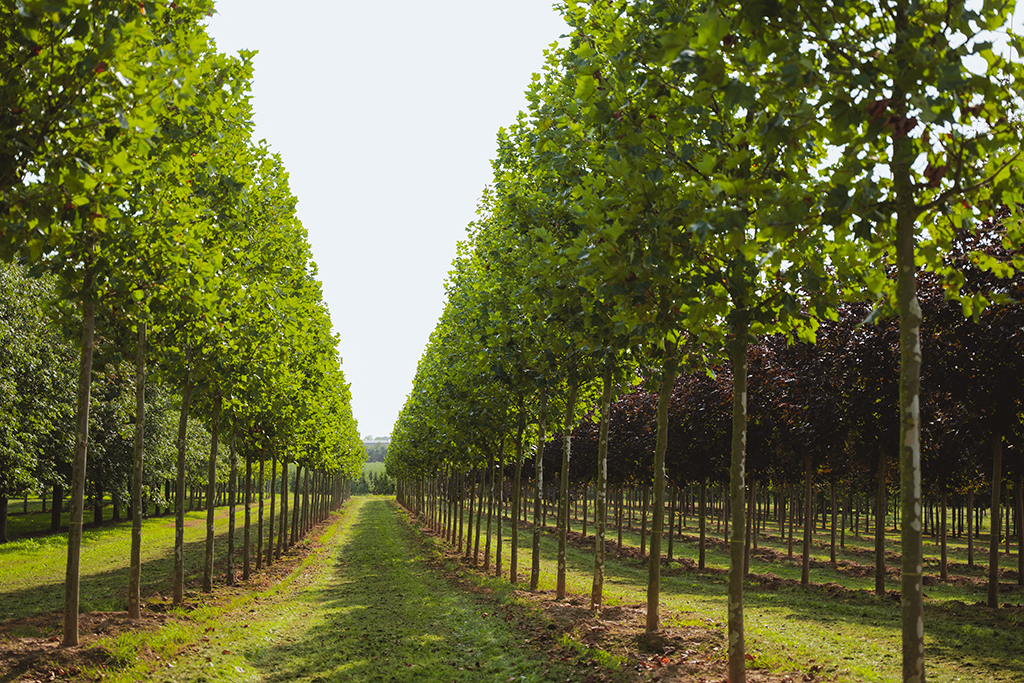
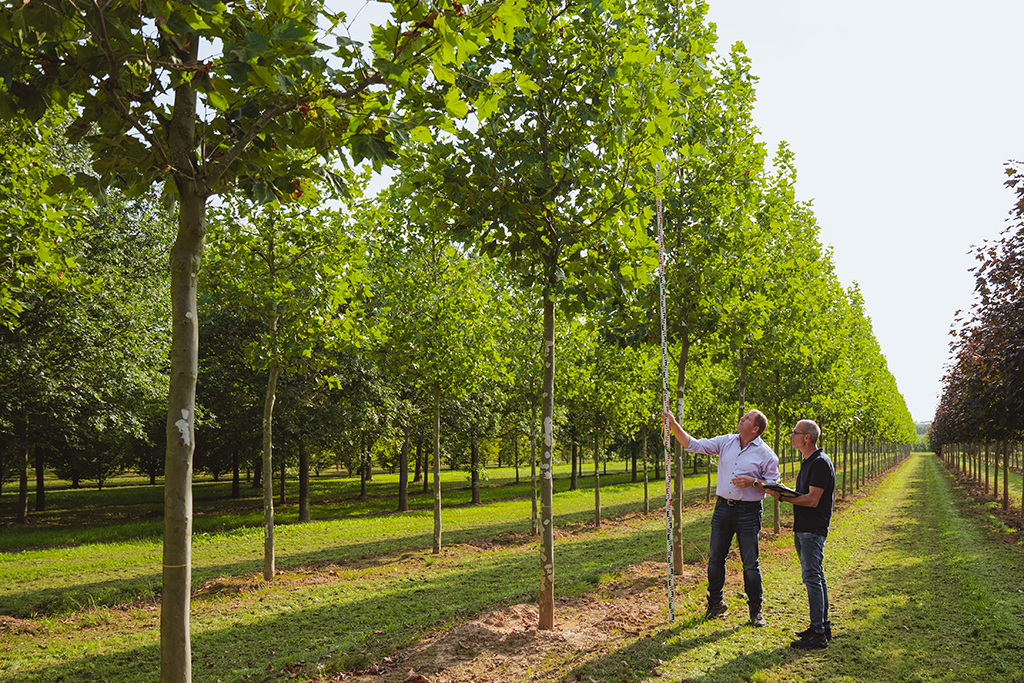
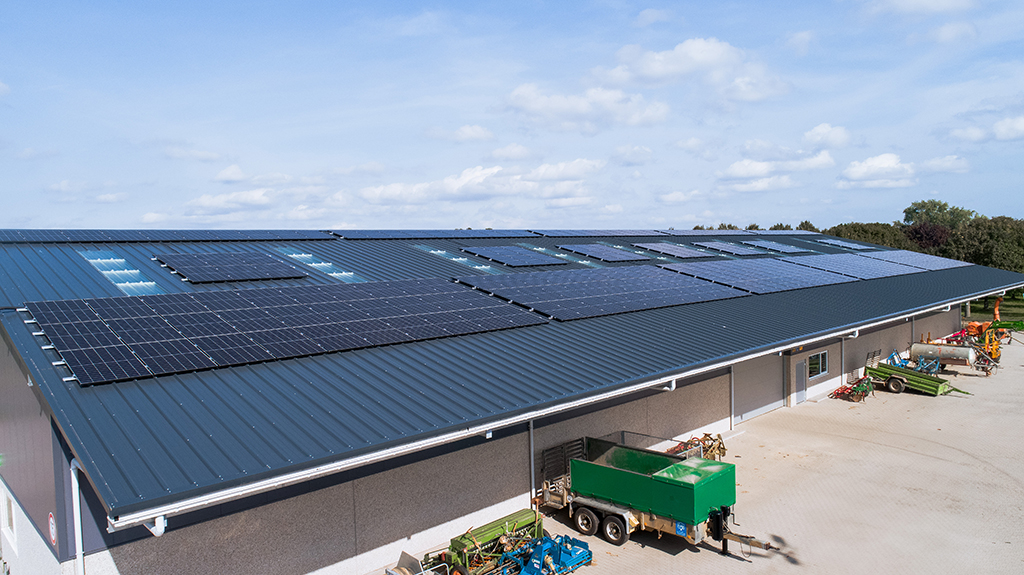
What began in 1891 on half a hectare of farmland has evolved over the decades into one of Europe’s leading tree nurseries. Wilhelm Ley Tree Nursery now cultivates a wide variety of species and cultivars across more than 500 hectares of loess-loam soil.
The most important points at a glance.
To us, our members are more than just numbers and facts.
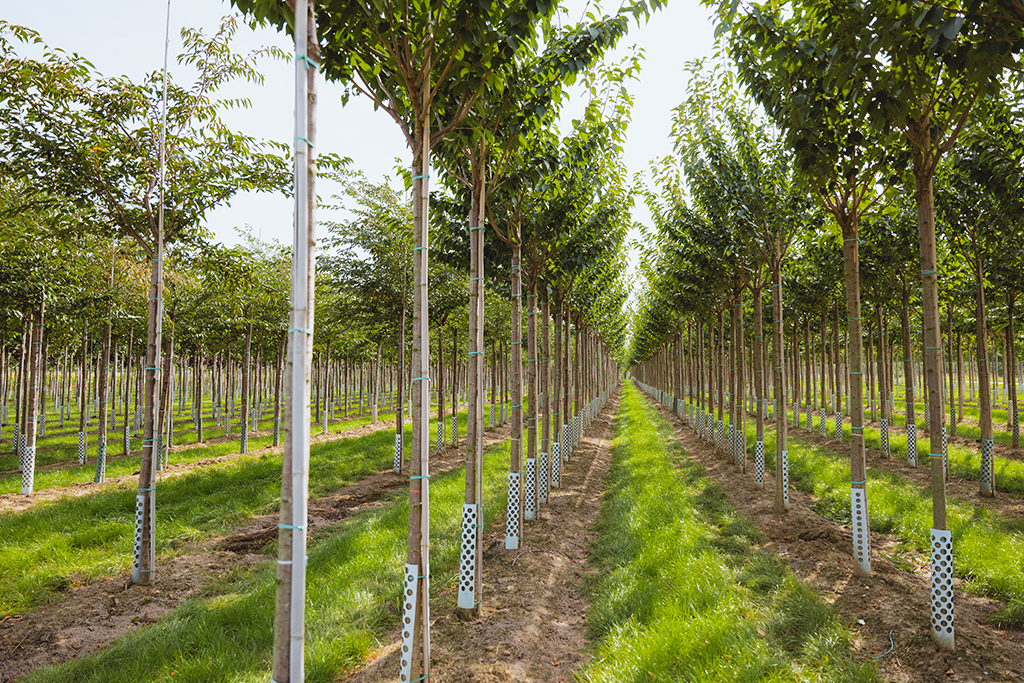
Wilhelm Ley GmbH produces a wide range of avenue, street, and flowering trees, as well as specimen shrubs, specimen conifers, and fruit trees. The product range includes over 600 woody plant species and more than 120 fruit varieties. Production covers an area of over 500 hectares, with approximately 450,000 plants cultivated and transplanted each season. Deliveries are made throughout Europe using freight forwarders and the company’s own fleet of trucks. Since the 1920s, the Wilhelm Ley nursery has trained over 500 gardeners.
Meckenheim
Deutschland
Questions for getting to know each other.
What matters to our members matters to us, too.
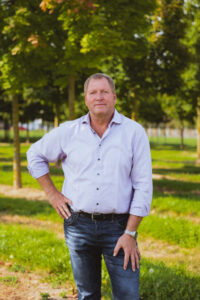
Christoph Dirksen
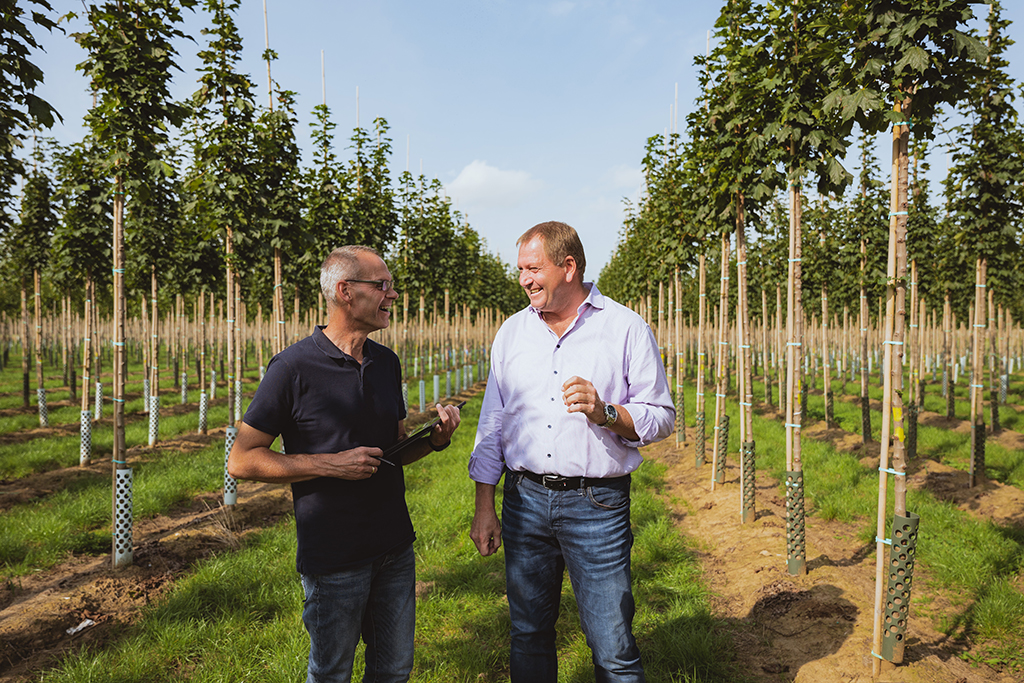
Managing Operations Manager Baumschule Ley
1. What are your functions and responsibilities, and how long have you been doing this job?
I have been employed at the Baumschule Wilhelm Ley for 30 years and am now the managing operations manager. In addition, I serve as Chairman of the North Rhine-Westphalia Tree Nursery Association.
2. What advantages do you associate with your work?
With trees, one can transform landscapes, reforest areas in a very short time, and green the world—thereby making it a better place.
3. In your view, what makes your company special?
We produce the trees for the city centers of tomorrow. These trees, in turn, produce oxygen and make an enormous contribution to the fight against climate change.
4. Who are your customers and where can your products be found?
Our customers include other tree nurseries, cities and municipalities, as well as landscape contractors. We supply our trees across Europe; examples of where they can be found include Disneyland Paris and the London Olympics.
5. What challenges are you currently facing in your daily life?
We are continuously working on solutions to help our trees withstand the prolonged periods of drought and heat caused by climate change—for instance, through supplementary irrigation. We are proactively addressing the frequently discussed shortage of skilled workers in the industry by focusing on vocational training (we currently have 12 apprentices) and increasing our recruitment of young people.
6. Which risks do you consider particularly critical for your business operations?
These are clearly severe weather events; they are unpredictable. Storms are more dangerous for our trees than hail.
7. Has your company ever experienced a loss event, and if so, what did it entail?
We have experienced damage on several occasions and were glad each time that we were insured. Without insurance, we wouldn’t be able to sleep soundly.
8. How have you perceived the support provided by Gartenbau-Versicherung so far?
The support provided has consistently been good, collegial, and very fair. Claims processing was explained in a technically accurate and—consequently—transparent manner.
9. What request do you have for the horticultural insurance company?
We would like the horticultural insurance to include coverage for newly emerging pests and—as was already initiated in 2023—to support us in accessing available funding opportunities.