

Focus on technology: How to keep your warning system reliable
Maintenance and functional testing are essential
In modern horticultural operations, yield and quality depend heavily on technology—climate control, heating, irrigation, and fertilization systems must all function reliably. An alarm system detects issues at an early stage, thereby preventing major damage to crops. It is also a prerequisite for insuring crops against losses caused by technical failures. Regular maintenance and functional checks are essential to ensure the alarm system operates correctly.
What is important for planning and installation
Tip: Even older warning systems can often still be put to good use—for example, as a backup system alongside the climate control computer. Seek personalized advice!
Be sure to pay attention to the following points during planning and operation:
What should be monitored?
What should be monitored?
Where do the sensors go?
Where do the sensors go?
Who is notified in the event of an alarm?
Who is notified in the event of an alarm?
What happens during a power outage?
What happens during a power outage?
Which technology suits the business?
Which technology suits the business?
Maintenance and self-checks to ensure the warning system functions in an emergency.
A warning system is only as good as its condition. Without regular maintenance and checks, malfunctions can creep in—and in the worst-case scenario, the alarm fails to sound when it matters most. Therefore, maintenance is not optional; it is mandatory—both for operational safety and for insurance coverage. Please observe the following tips:

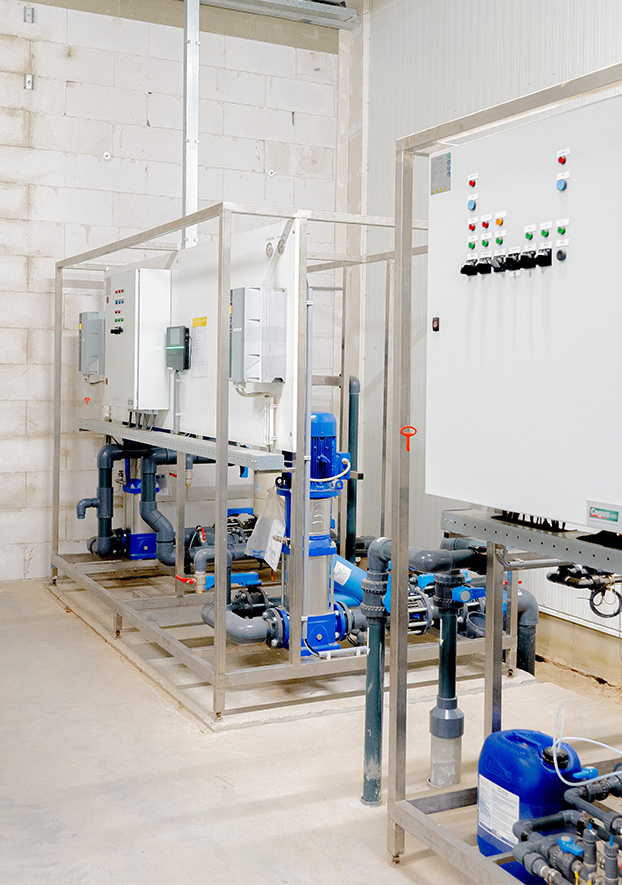
Maintenance by specialists – at least once a year
- Professional inspection: Commission a specialist company—ideally the manufacturer or installer—at least once a year.
- Cleaning the sensors: Sensors become dirty over time, which impairs their measurement accuracy.
- Checking readings: Control sensors and monitoring sensors should be checked regularly for discrepancies. Of particular importance: older sensors often drift in the same direction, meaning the discrepancy goes unnoticed.
- Alternating sensor replacement: To detect aging effects, the control sensor and the monitoring sensor should be replaced alternately.

Regularly check batteries and uninterruptible power supplies (UPS).
- Undertemperature: Place ice water on a temperature sensor.
- Overtemperature: Warm the sensor with a heat pad.
- Power outage: Pull the fuse – does the alarm go off?
- Pump failure: Operate the motor protection switch of a pump.
- Burner failure: Simulate a fuel interruption.
Important: After these simulated alarms, make absolutely sure that the entire system is fully operational again!
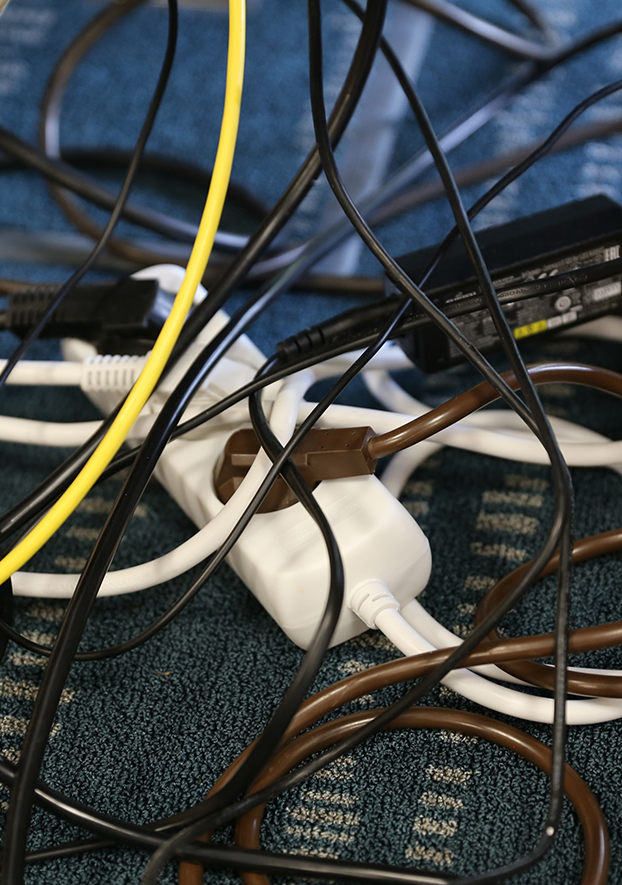
Regularly check batteries and uninterruptible power supplies (UPS).
- Replace dry-cell batteries annually.
- Replace batteries every 4–8 years.
- Check the charge level regularly.
- Document capacity and adjust it when operations expand.
The warning system functions reliably during a power outage only if there is sufficient stored energy.

Check phone numbers and alarm forwarding
- Are all the saved phone numbers still correct?
- Is the SIM card in the mobile device still valid?
- Is the alarm reliably forwarded to the specified mobile or landline phone?
Our tip: Conduct a full test alarm with actual signal transmission regularly—for example, once a month during winter.
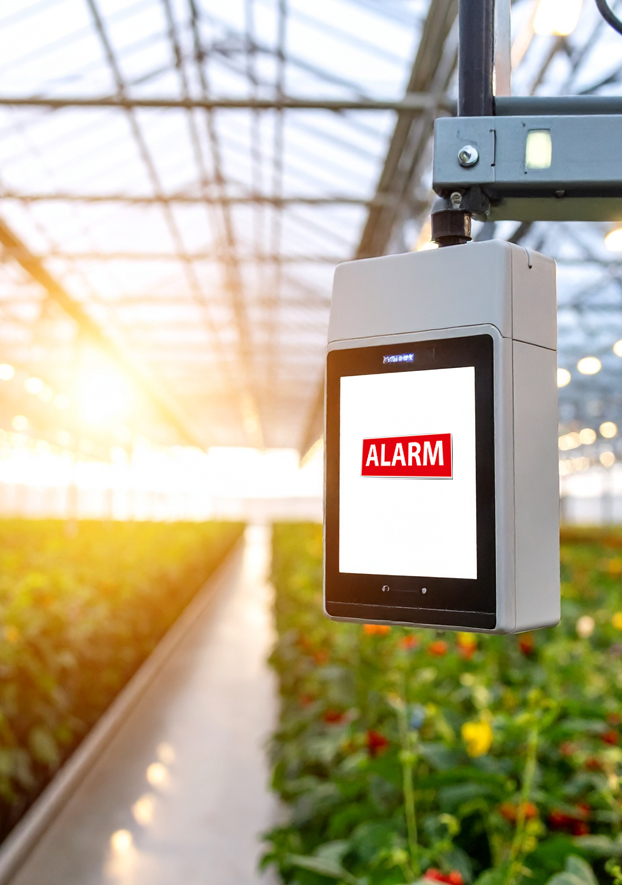
Detecting and avoiding false alarms
- False alarms (alarms without an actual fault) often result from incorrectly set limit values or defective sensors.
- False negatives (no alarm despite a fault) are particularly dangerous; causes can include, for example, outdated sensors, dead batteries, or installation errors.
Regular tests help to detect and resolve such problems at an early stage.
Why the UPS is so important.
UPS stands for Uninterruptible Power Supply. It ensures that critical equipment—such as alarm systems, routers, or telephone dialers—continues to operate without interruption during a power outage. Here is what you, as a landscaping contractor, should do:
Ask your installer

whether the alarm system is backed up by a UPS.
Document,
which specific devices are backed up by the UPS.
Test regularly,
to see if the UPS kicks in during an emergency: pull the plug – does the router keep running?
Replace the batteries
(approx. every 4–8 years depending on type), batteries annually.
Adjust battery capacity,
that the new technology is also covered.
UPS instead of emergency power: Why uninterruptible power supply is essential for warning systems
A UPS (Uninterruptible Power Supply) ensures that your alarm system continues to operate immediately—without any interruption—even during a power outage. In contrast, a conventional emergency generator often takes several seconds or even minutes to kick in. During that time, critical devices such as routers, telephone dialers, or wireless sensor gateways may already have shut down, causing alarm transmission to fail. With a UPS, all critical components of the alarm chain remain reliably powered. For maximum security when it matters most.
Your contact person is looking forward to hearing from you.
You would like to report loss or damages?
Contact your risk advisor or submit a claim using our online form. Once we have received the notification of your claim, we will process it and contact you as quickly as possible.
In the event of a claim, we are here to help.
In the event of a claim, you need your insurance company to process your claim swiftly and unbureaucratically and provide immediate assistance.
Three things our members can count on:
Initial damage assessment within 48 hours.
Knowledge shared is knowledge doubled.
Focus topics: Useful information and helpful tips on horticulture.