
Member in Focus: Warthof Obst
Grünberg, Deutschland
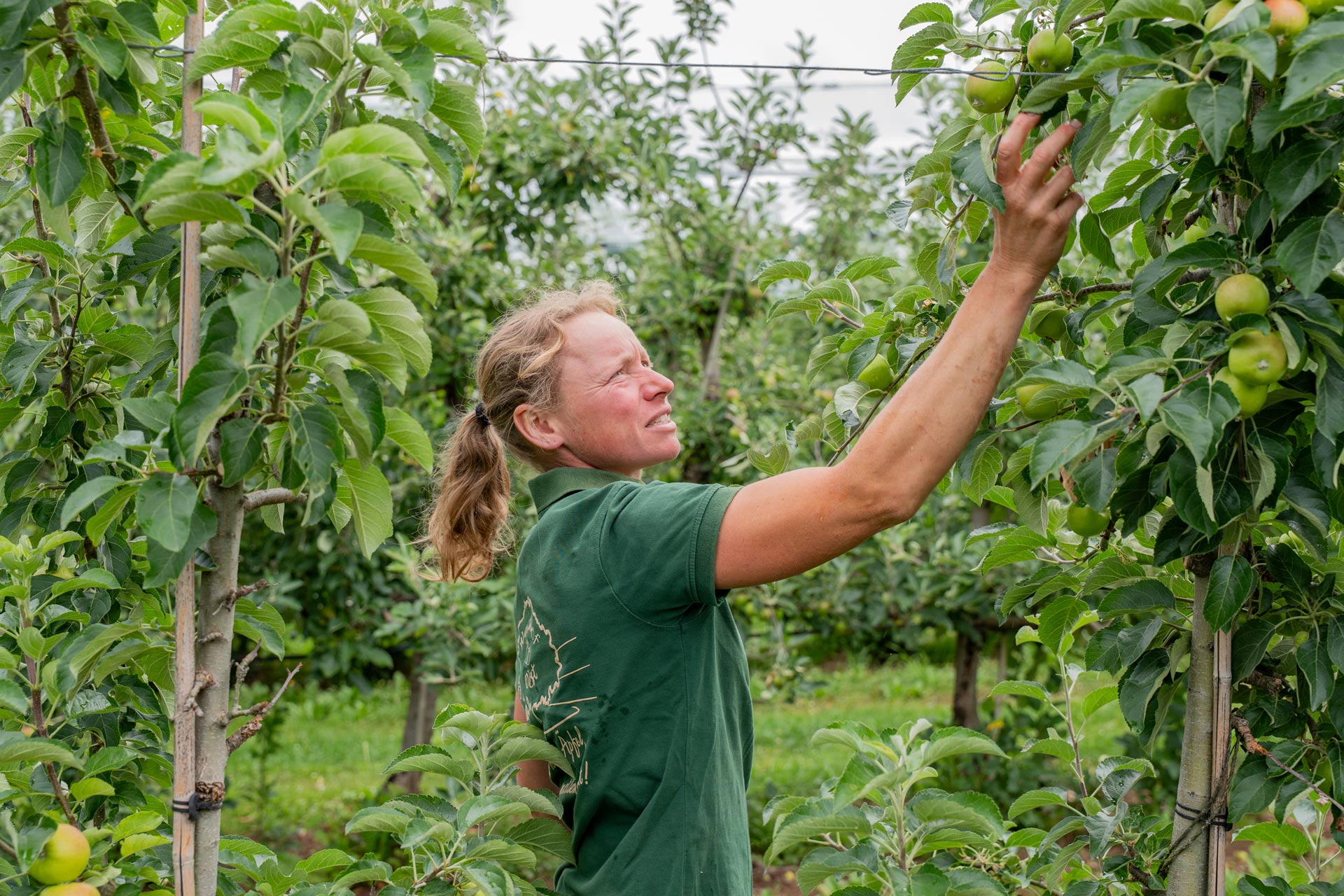
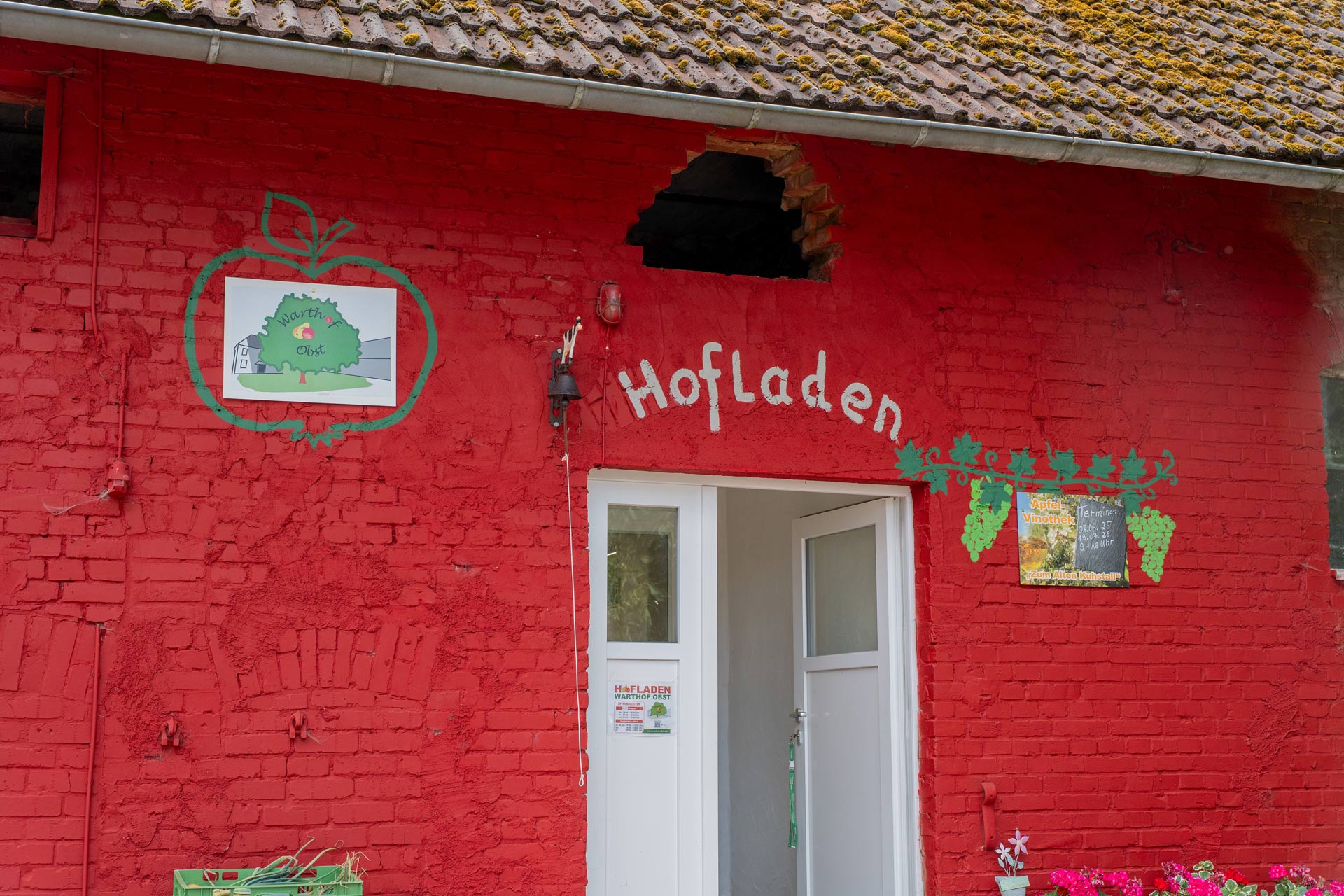
Warthof in Grünberg is a family-run fruit farm with more than 150 apple varieties, a regional farm shop, and its own wine production. For generations, the Sauerbier family has focused on sustainable cultivation, direct marketing, and diversity — a place for freshness, tradition, and exceptional taste experiences.
Warthof Obst at a glance
To us, our members are more than just numbers and facts.
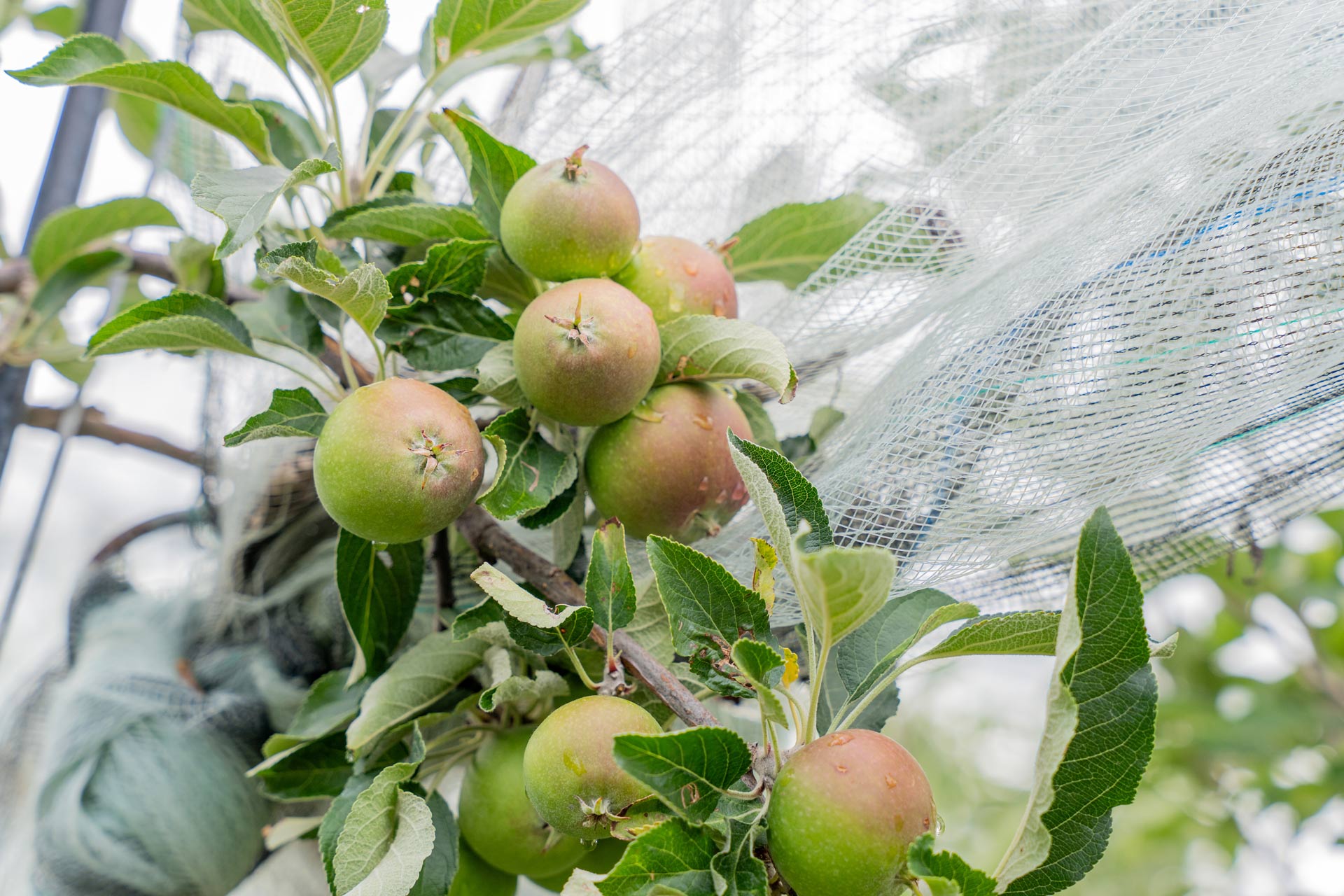
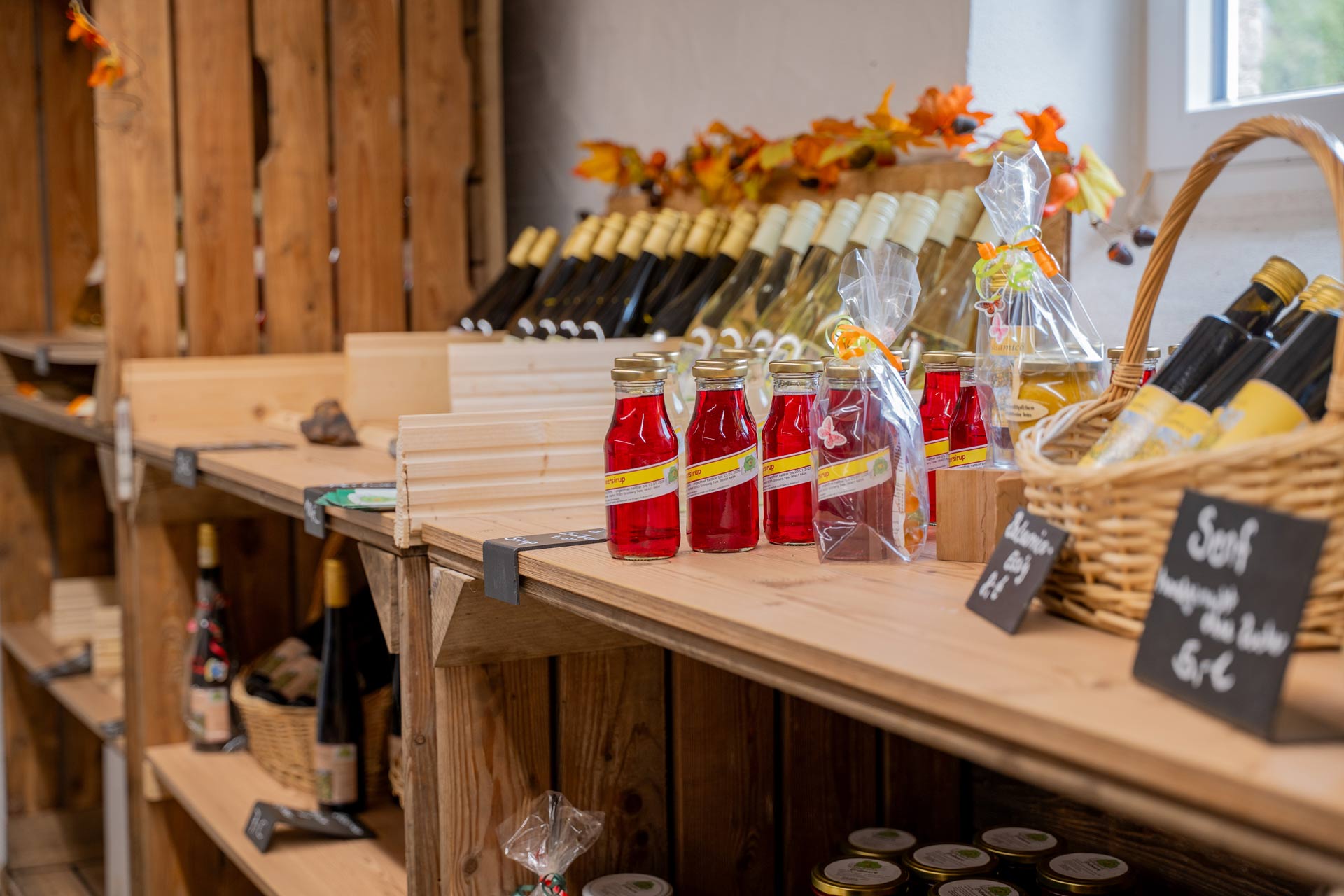
Warthof in Grünberg is a traditional family business that has been run by the Sauerbier family for three generations. The main focus is on cultivating more than 150 apple varieties, some of which are historic. The range is complemented by berries, pears, potatoes, honey, fruit spreads, and, more recently, their own wine. Products are sold directly through the farm shop — regional, fresh, and diverse. Guided farm tours, traditional orchard meadows, and an annual Apple Variety Day also make Warthof a popular place for learning and unique experiences.
Grünberg
Deutschland
You are currently viewing a placeholder content from YouTube. To access the actual content, click the button below. Please note that doing so will share data with third-party providers.
More InformationMeet our Members – Warthof Obst
Meet our members – Warthof, Grünberg
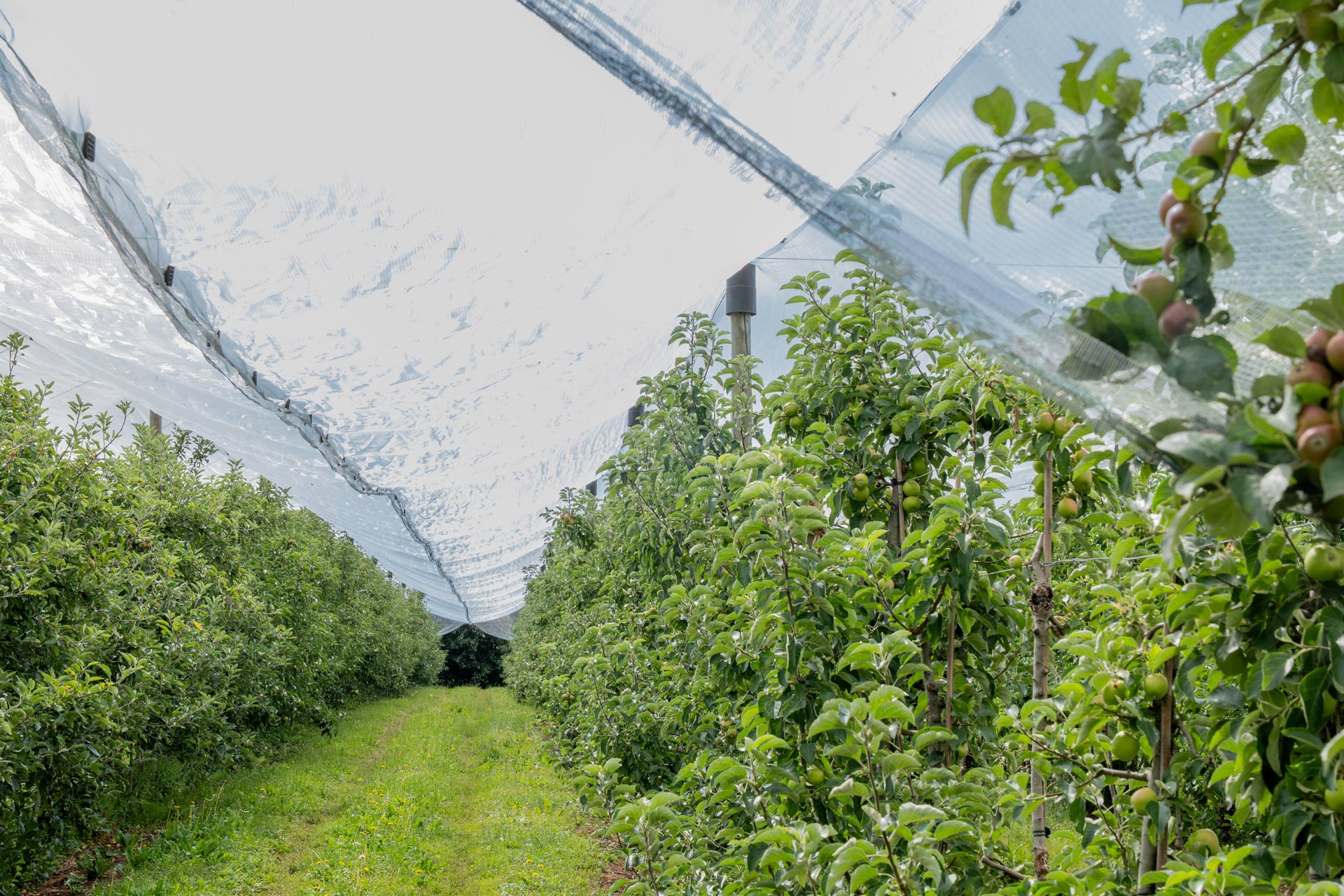
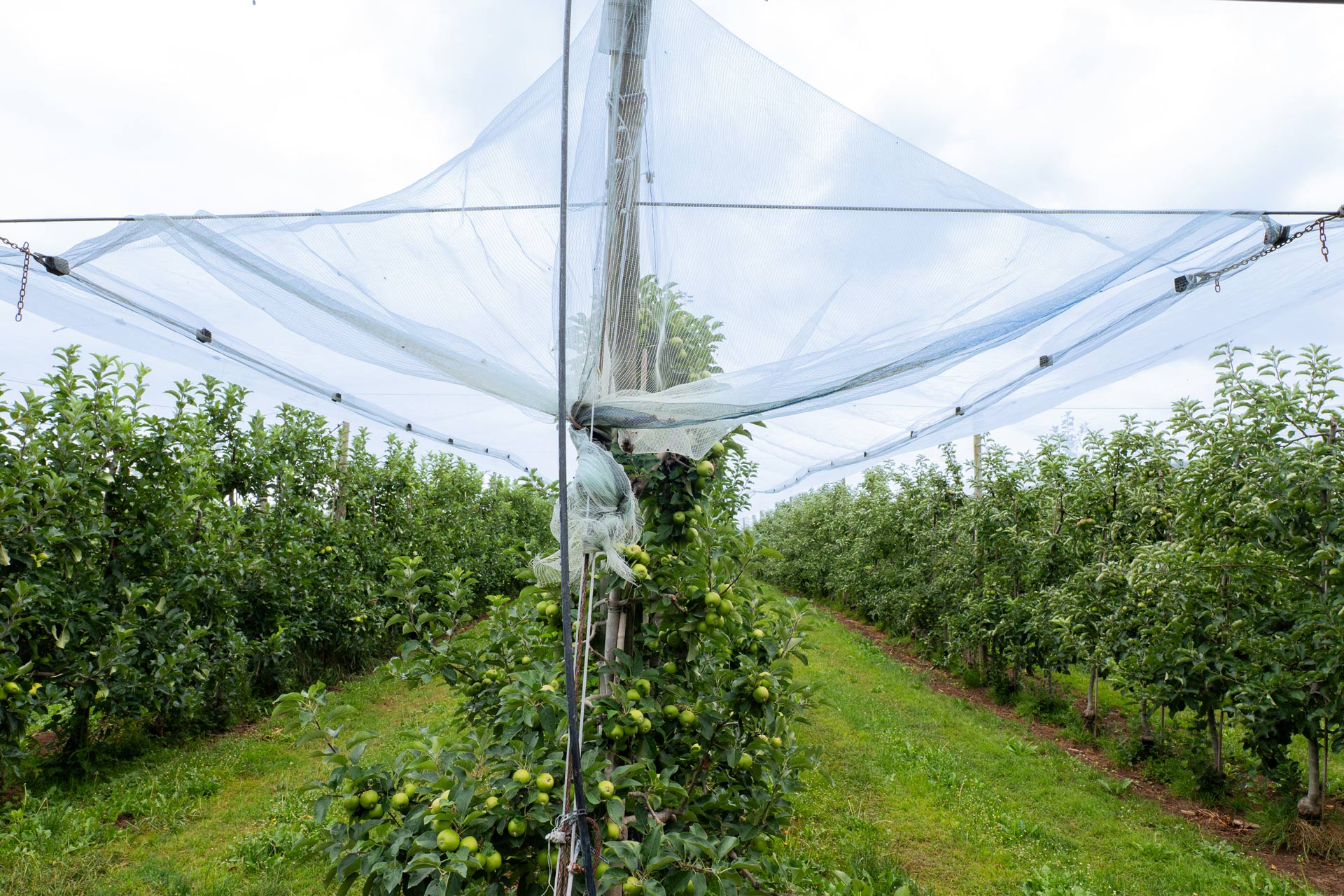
Warthof is a fruit-growing farm that sells directly to consumers and protects its orchards with hail nets. In this video, Heike Sauerbier introduces the farm and explains how the nets and fruit trees are insured.
Questions for getting to know each other.
What matters to our members matters to us, too.
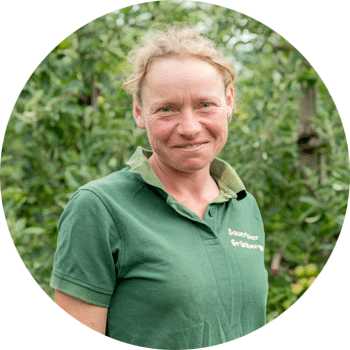
Heike Sauerbier
Executive Management
1. Ms. Sauerbier, you run the Warthof—now in its third generation of family ownership—so what drives you to continue investing in fruit growing at a time of increasingly extreme weather?
Because it is simply our passion—we grew up in fruit growing, and the farm is an integral part of our lives. Sure, conditions have become tougher—but that is precisely why we want to keep going, drawing on our knowledge, experience, and new solutions.
2. Why did you insure your hail protection nets?
The nets represent a significant investment, and they, too, can sustain damage during extreme weather. To ensure we are covered should the worst happen, we have insured them.
3. In addition, you have insured your crops under hail protection nets. Why? After all, they are protected?
Sure, the nets provide protection—but not 100%. If a severe hailstorm or gale damages the netting, the tree underneath can take a hit, too. And it can easily take a few years for a fruit tree to recover. For us as a family that relies entirely on the harvest for our livelihood, that would be a disaster.
4. Have you ever had any damage?
Yes, every now and then. In fact, almost every year for the past decade—before that, we had been spared for about 20 years. You can certainly tell that the weather has become more extreme. Such regular damage would have been unthinkable in the past.
5. Did the damage prompt the investment in hail protection nets?
Yes, a very specific trigger was the brutal hailstorm of 1994—we were hit really hard by that. After that, it was clear: something like that couldn’t be allowed to happen again. We then began investing in hail protection nets, step by step. It was a major decision, but absolutely the right one in the long run.
6. What experiences have you had with the nets so far—including with regard to other weather events such as heavy rain or heat?
Overall, our experience has been very positive. Naturally, the nets are primarily intended for hail protection, but they also help with other weather extremes. In hot weather, for instance, they provide some shade, protecting the fruit from sunburn. And during heavy rain, the droplets break up against the mesh and don’t fall as hard—so we see significantly less damage.
7. Can you imagine a production without risk coverage?
No. Harvest-time storms are becoming more frequent, and if the netting or the crops are destroyed, everything can be lost in an instant. We are 100% dependent on the harvest—there is simply no alternative to insurance coverage.
8. How does the collaboration with Gartenbau-Versicherung and Vereinigte Hagelversicherung work?
We have a single point of contact for hail protection nets and crops: Mr. Fischer from Vereinigte Hagelversicherung. This works well because he is an expert in the field, so we don’t have to juggle multiple contacts. It makes everything much simpler and more straightforward for us.
9. Is there anything you would like to see from the cooperation in the future?
Yes, two things would make our work significantly easier in the event of damage. For one, it would be helpful if we could continue working on the trees after a hailstorm and postpone the count of undamaged apples—ideally until the end of the season. Secondly, we would like a simpler assessment process: an apple with an impact mark is no longer marketable—in our view, there is no need for a secondary quality tier. The only decision required should be whether or not the fruit qualifies as marketable produce.