
Member in Focus: Wans Roses
Straelen, Deutschland
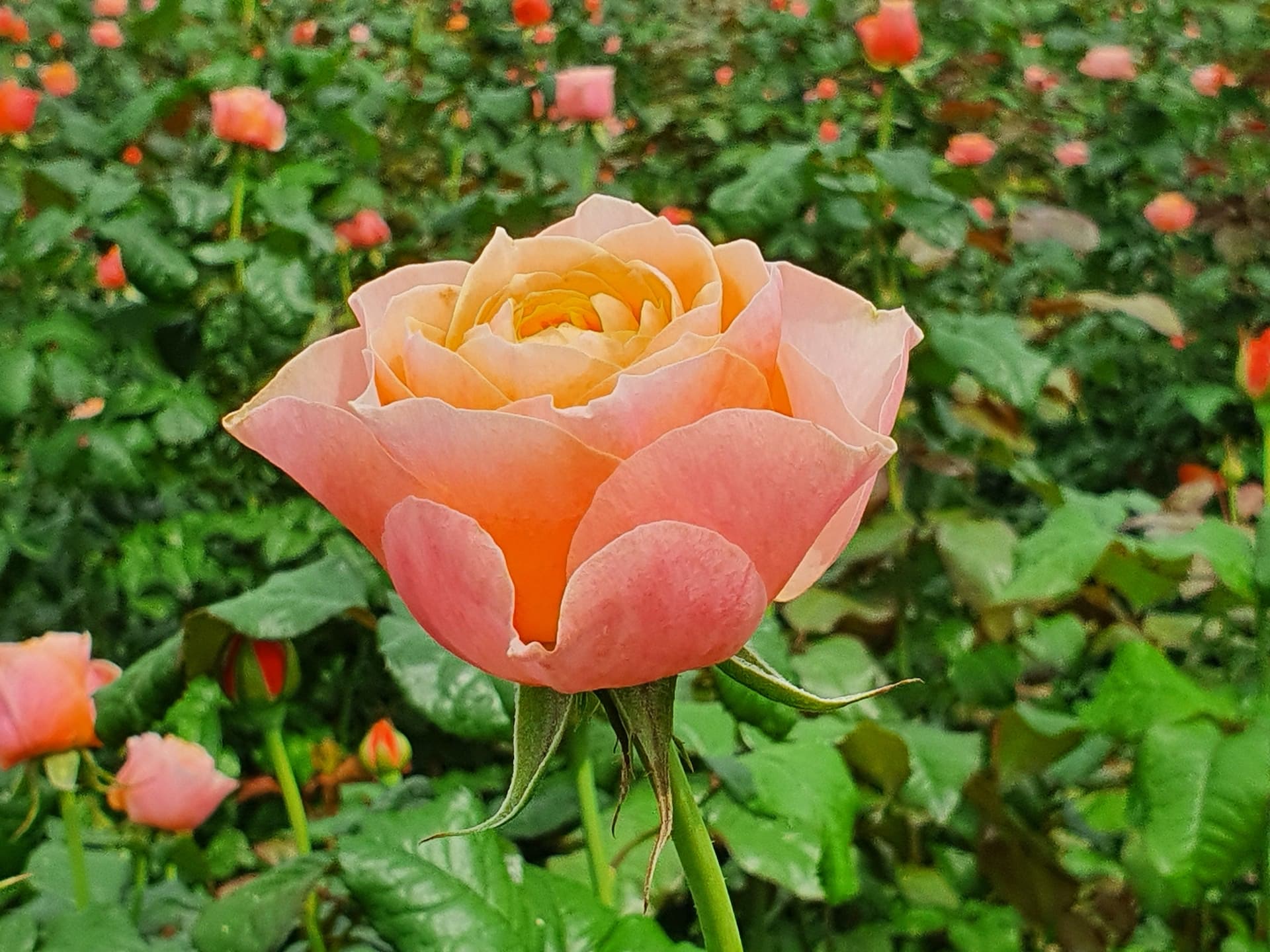
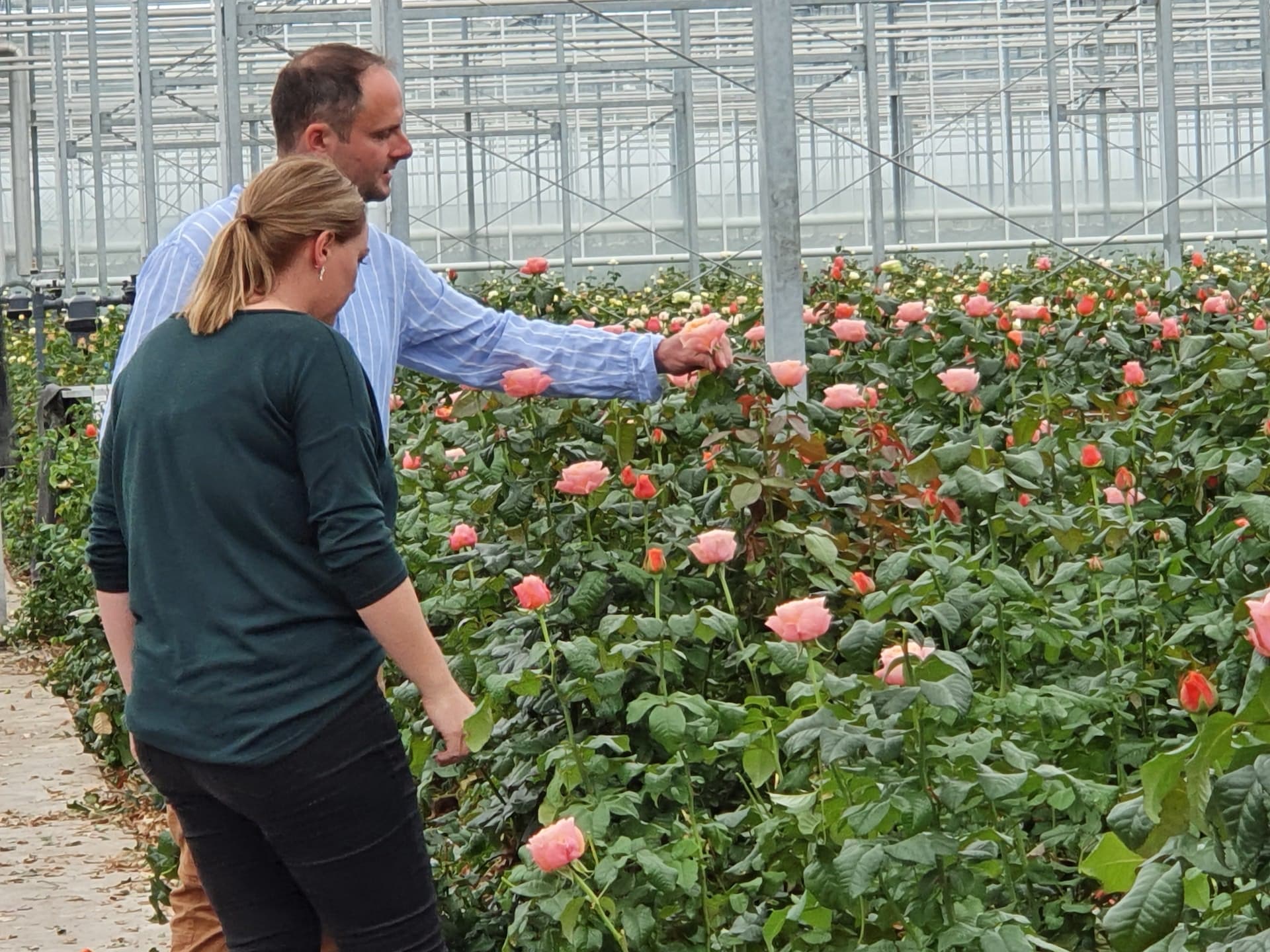
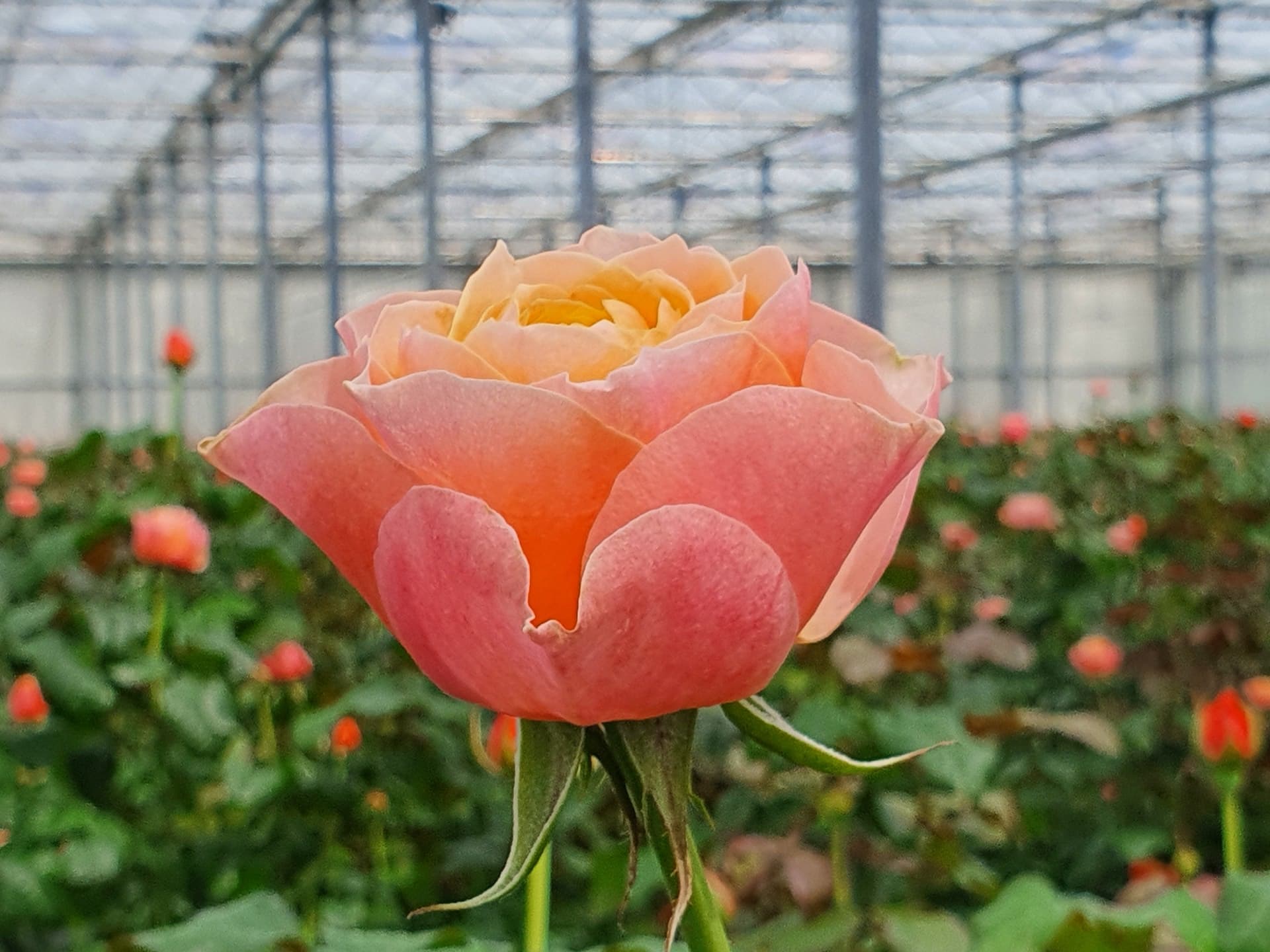
Wans Roses has been producing cut roses since 1975 and is now run by the third generation. The portfolio consists of 30 different rose varieties, which are cultivated in a coconut-based substrate on growing gutters, making harvesting easier. The current production volume is approximately 5.6 million roses per year.
Wans Roses at a glance
To us, our members are more than just numbers and facts.
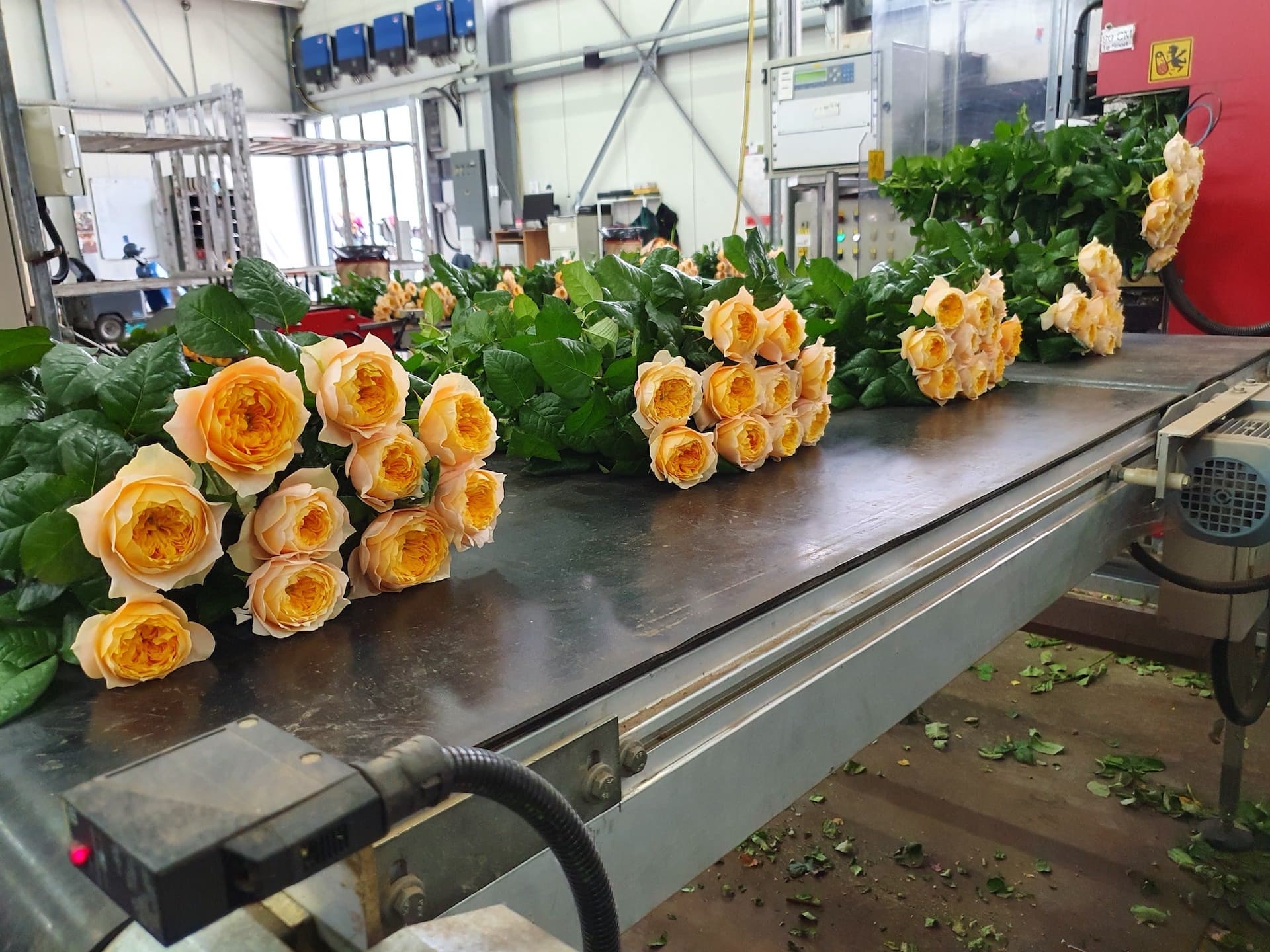
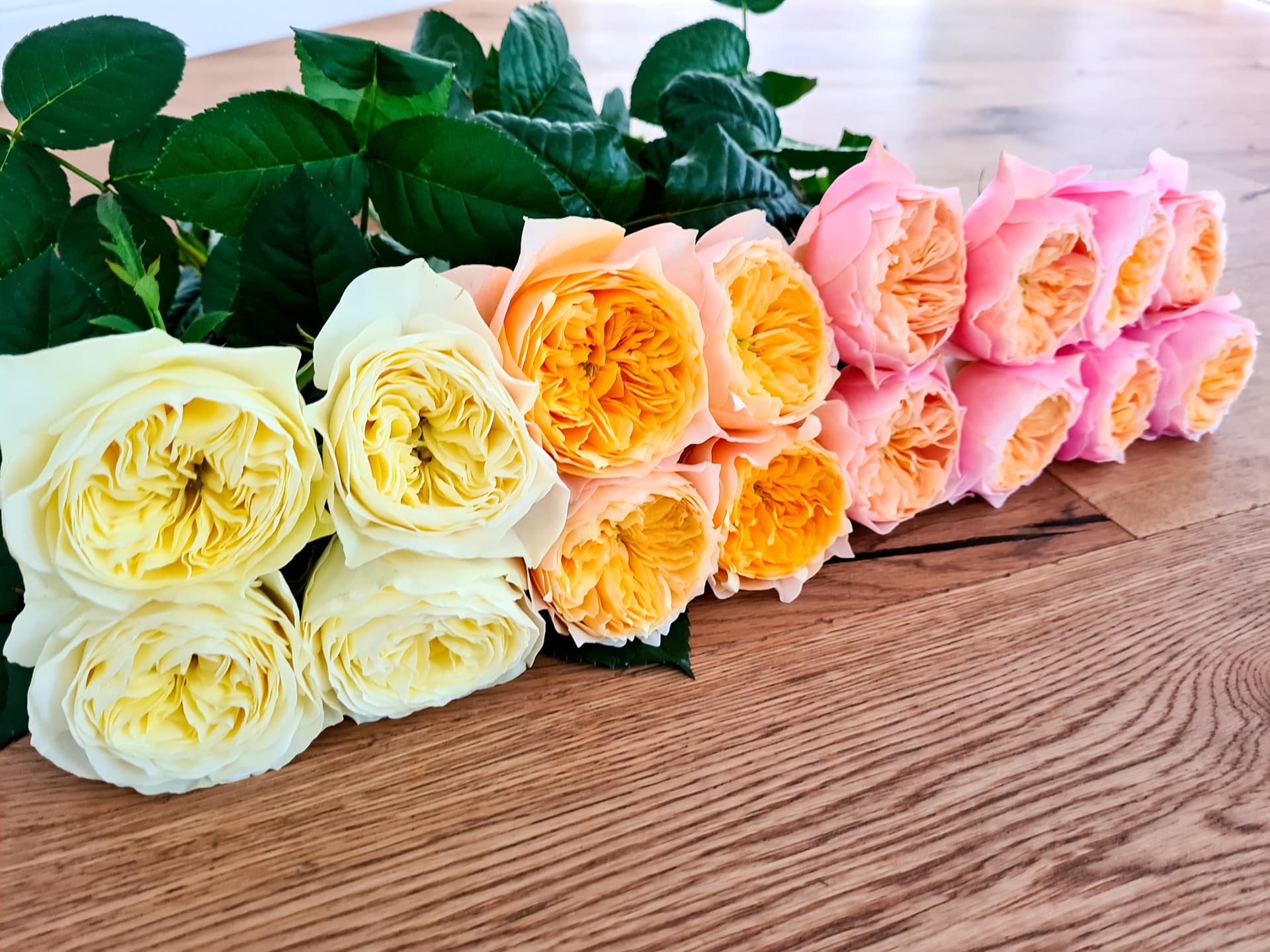
The horticultural company Wans Roses specializes in producing premium-segment cut roses under glass. Varieties with particularly unusual flower shapes are marketed under the Royal Beauties® brand. The greenhouses are supplied with energy through waste heat from three combined heat and power plants, which are operated exclusively using energy from renewable raw materials, as well as a wood-chip heating system. Electricity is supplied by the company’s own photovoltaic system.
Straelen
Deutschland
Questions for getting to know each other.
What matters to our members matters to us, too.
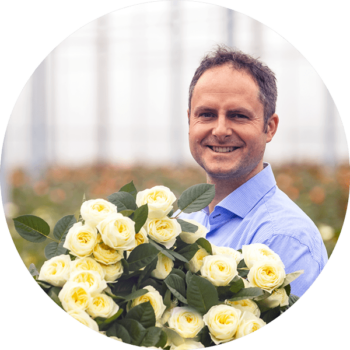
Christian Wans
Managing Director
1. What are your functions and responsibilities, and how long have you been doing this job?
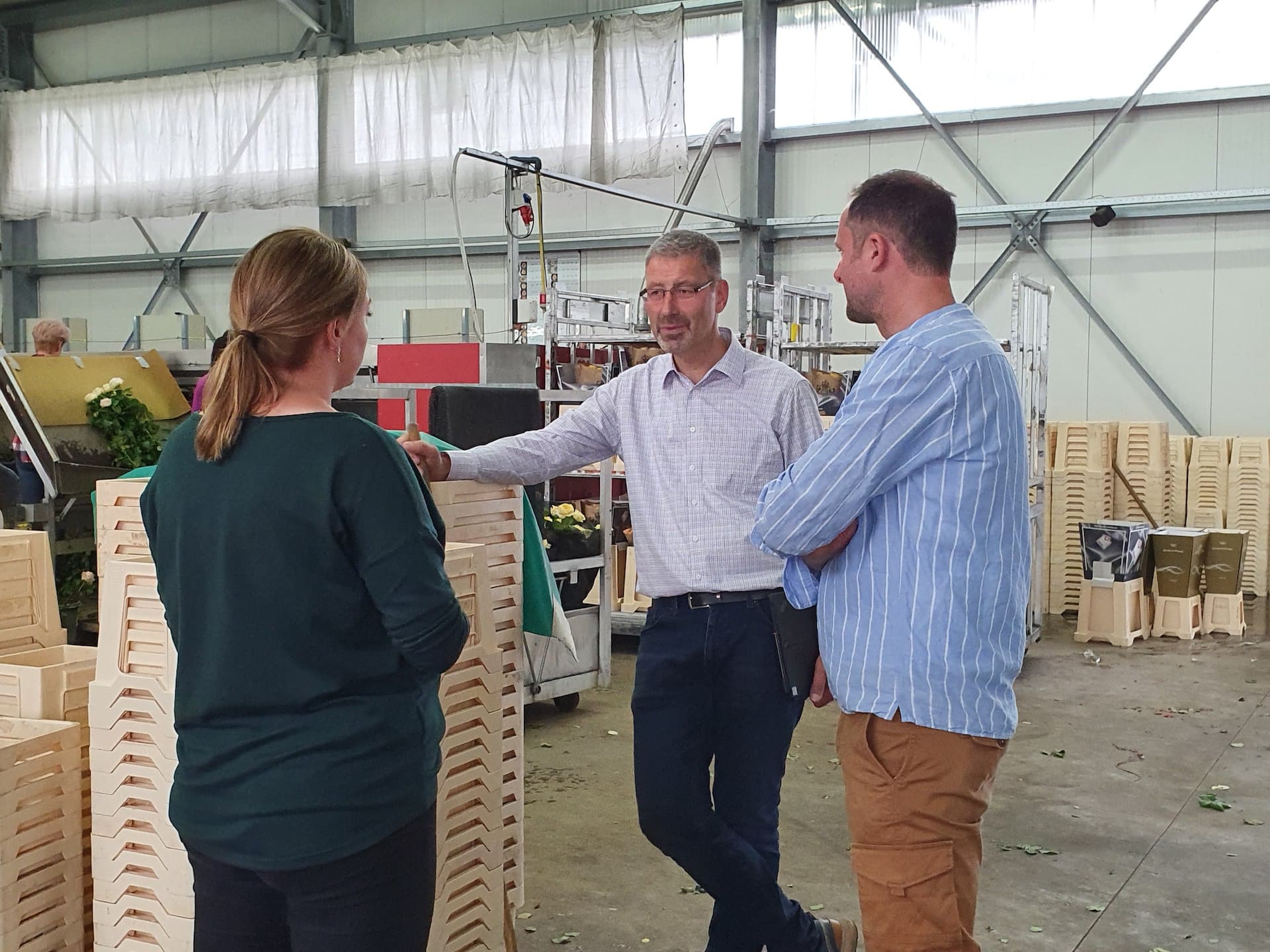
I took over the business from my father, and as Managing Director, I am responsible for every aspect—from accounting and operations to the marketing of the roses. Fortunately, I don’t have to shoulder it all alone; I have the support of my wife and a well-trained, cohesive team.
2. What emotion(s) do you associate with your work?
Roses naturally bring to mind their elegant appearance and intense fragrance. For this reason alone, walking through the greenhouses evokes a wide range of emotions. There is a sense of satisfaction in being part of something that, in many cases, will later be used to bring joy to others.
3. In your view, what makes your company special?
We are constantly working to refresh our range of varieties, particularly regarding flower shapes and colors, which makes our work highly varied. Through close market monitoring, we identify trends—and niches—at an early stage and align our product range accordingly.
However, our focus extends beyond just roses; sustainability also plays a major role in our operations. We heat our greenhouses exclusively using sustainable waste heat from three combined heat and power (CHP) units, and we meet almost all our electricity needs through photovoltaic systems. We prioritize biological pest control, operate a wastewater recycling system, and package our roses in paper bags rather than plastic ones.
4. Who are your customers and where can your products be found?
Our roses are marketed through the Veiling Rhein-Maas (via the Klokservice) and FloraHolland. There, they are purchased by flower wholesalers and export companies and subsequently distributed to specialist flower shops worldwide. Since 2021, we have also been marketing our products via a webshop for wholesalers; these wholesalers link our shop with the exporters’ digital sales tools.
5. What challenges are you currently facing in your daily life?
We are currently very well positioned in terms of our operational scale—particularly regarding cost-efficiency and infrastructure, such as sorting and packaging facilities. However, we aim to achieve greater energy self-sufficiency and are working intensively on solutions.
6. Has your company ever experienced a loss event, and if so, what did it entail?
Fortunately, we haven’t had any significant damage so far.
7. How have you perceived the support provided by Gartenbau-Versicherung so far?
We have actually been insured with Gartenbau-Versicherung from the very beginning—ever since the company was founded. We particularly value the expert and prompt advice we receive regarding all our projects.
8. What request do you have for Gartenbau-Versicherung?
Given the currently rapidly rising operating costs, we would like to see operations run as efficiently as possible and upper management kept lean, so that premiums remain affordable for us members.