
Member in Focus: Dworschak & Sohn Bioland Gemüsebau
Nürnberg Kraftshof, Deutschland
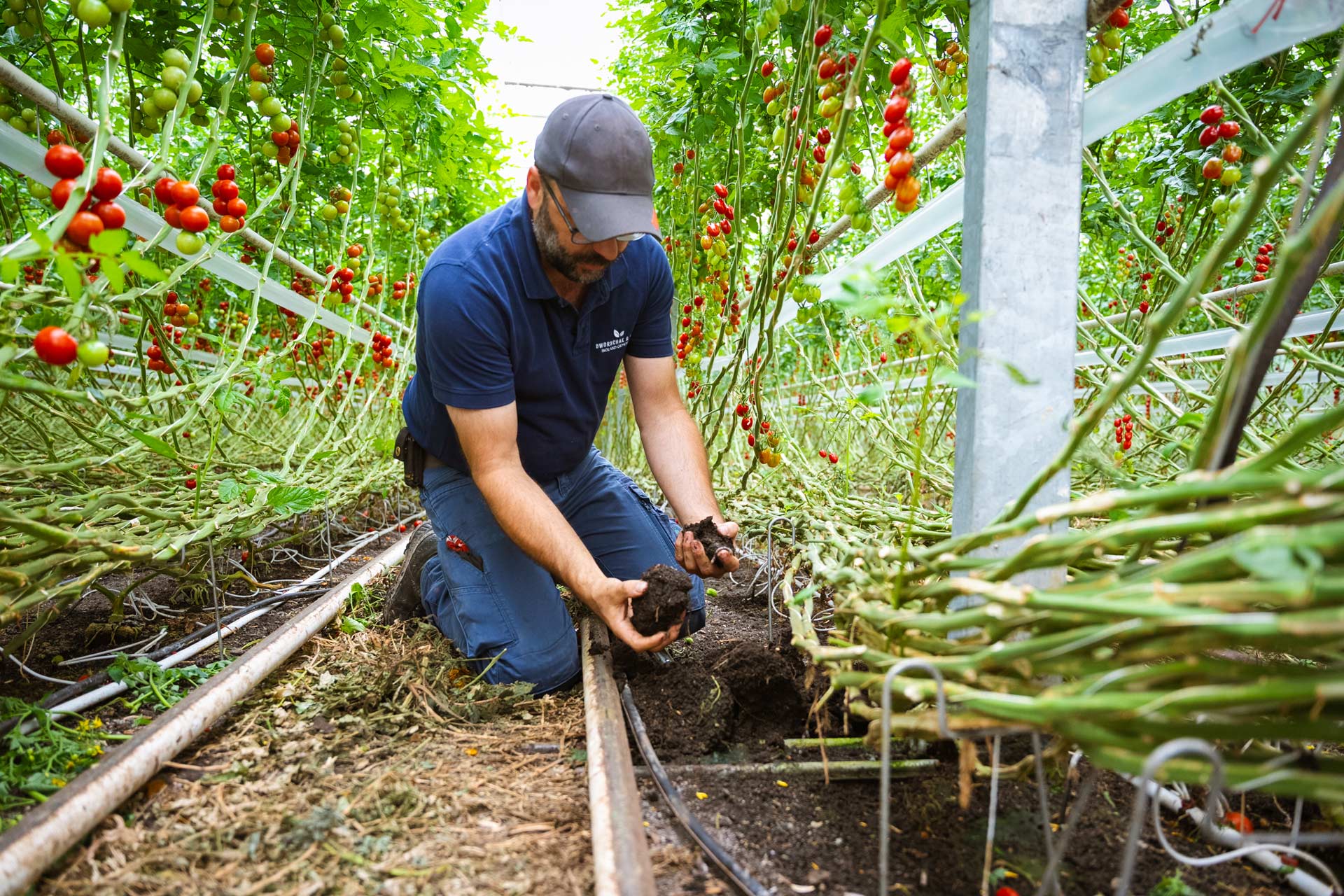
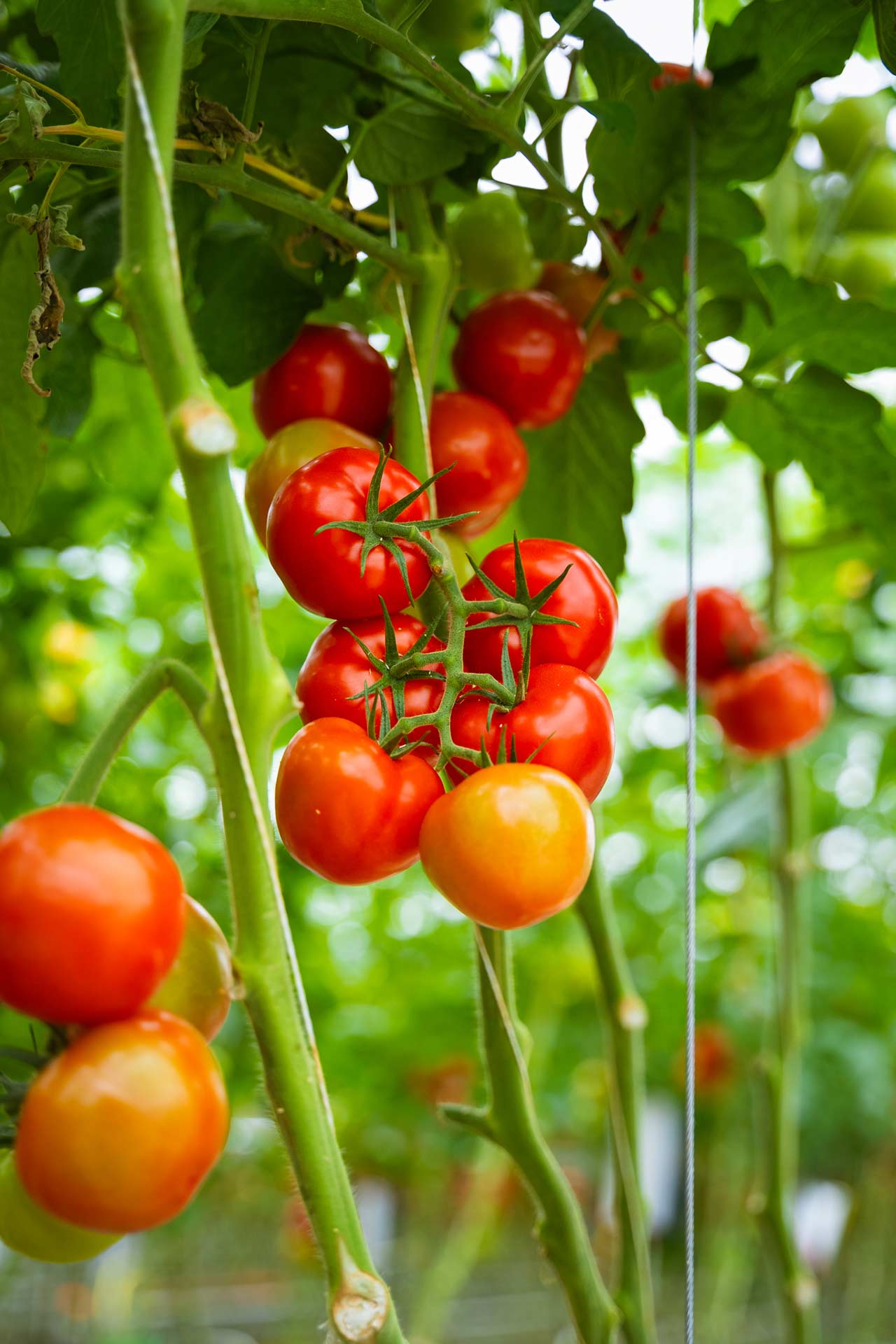
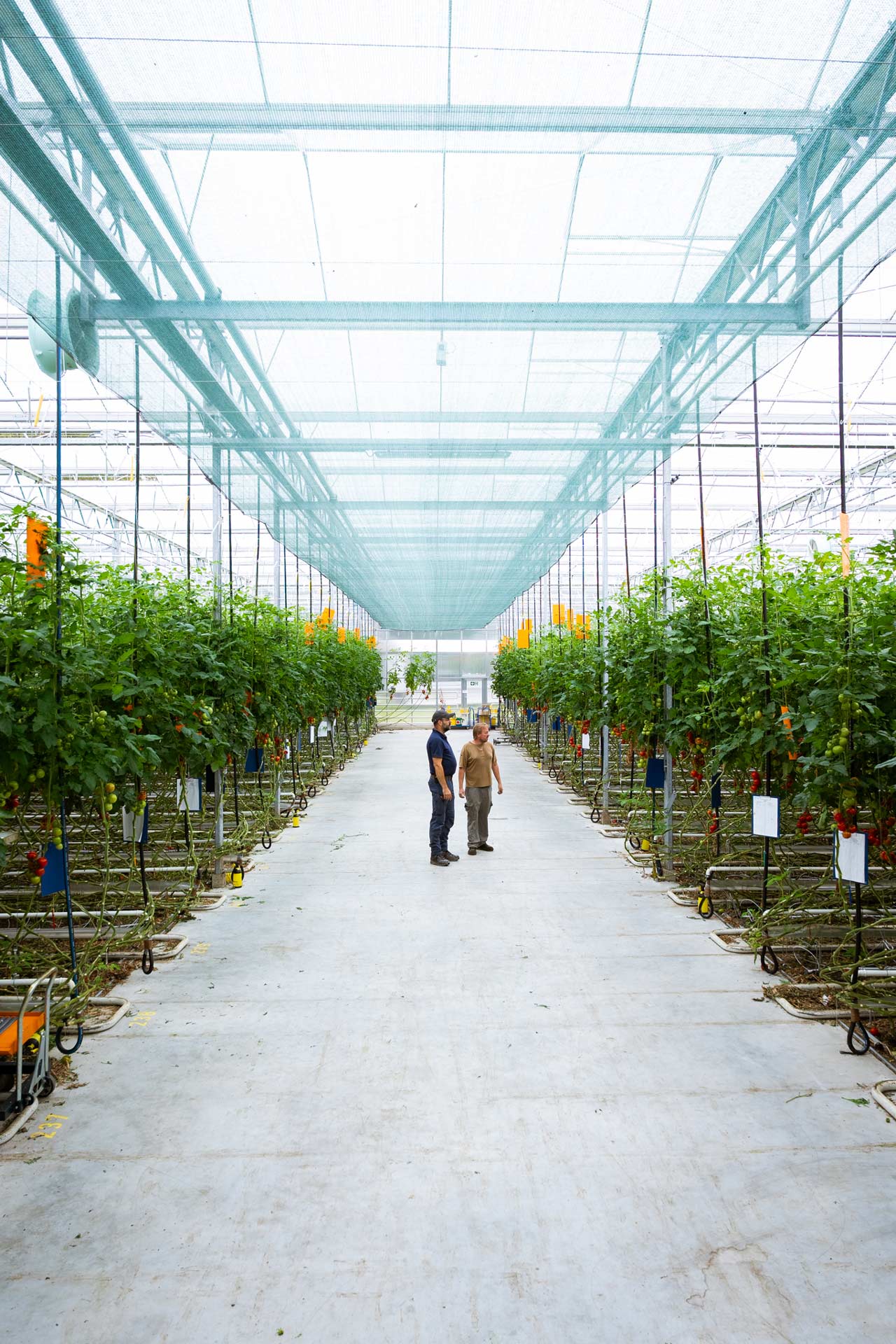
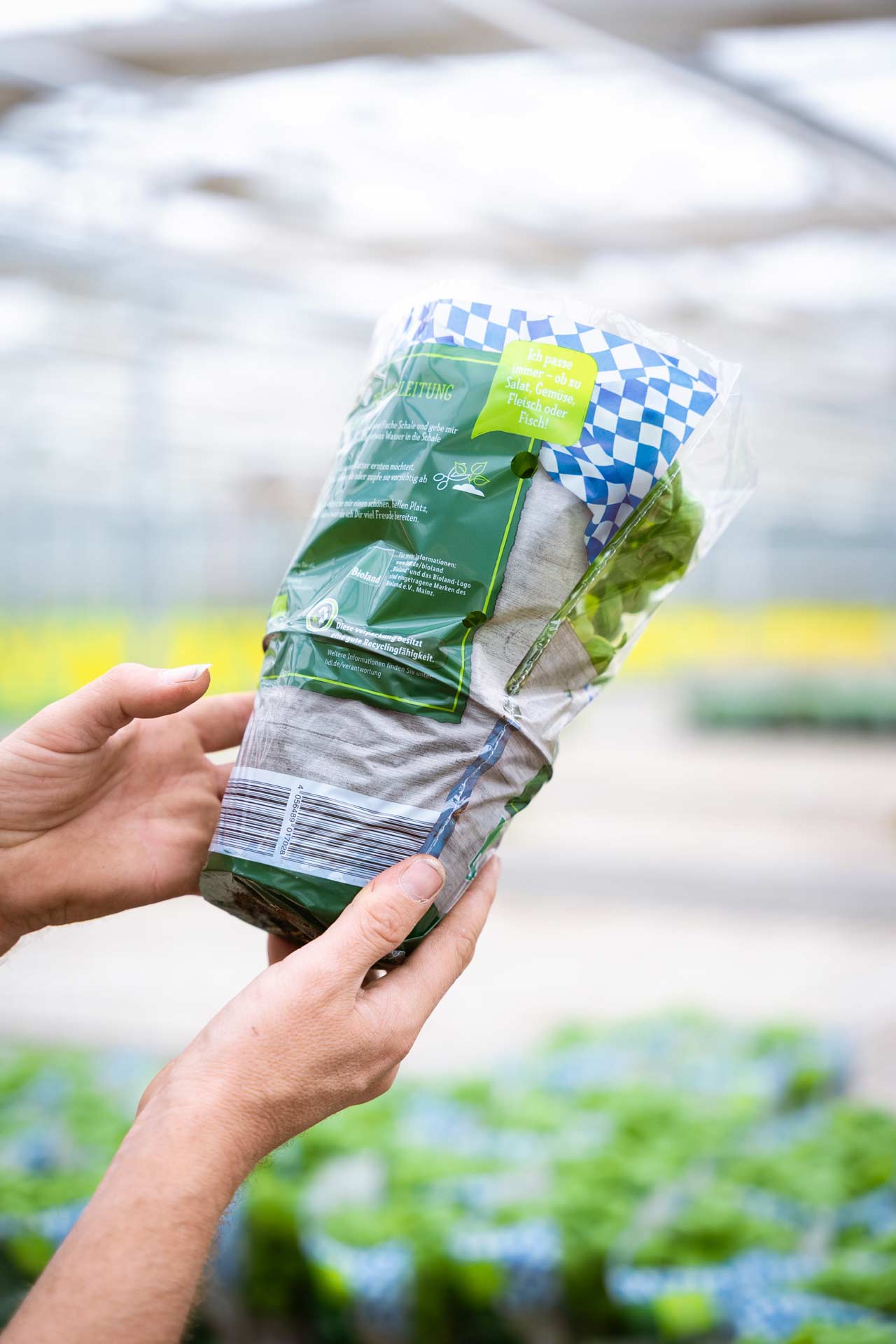
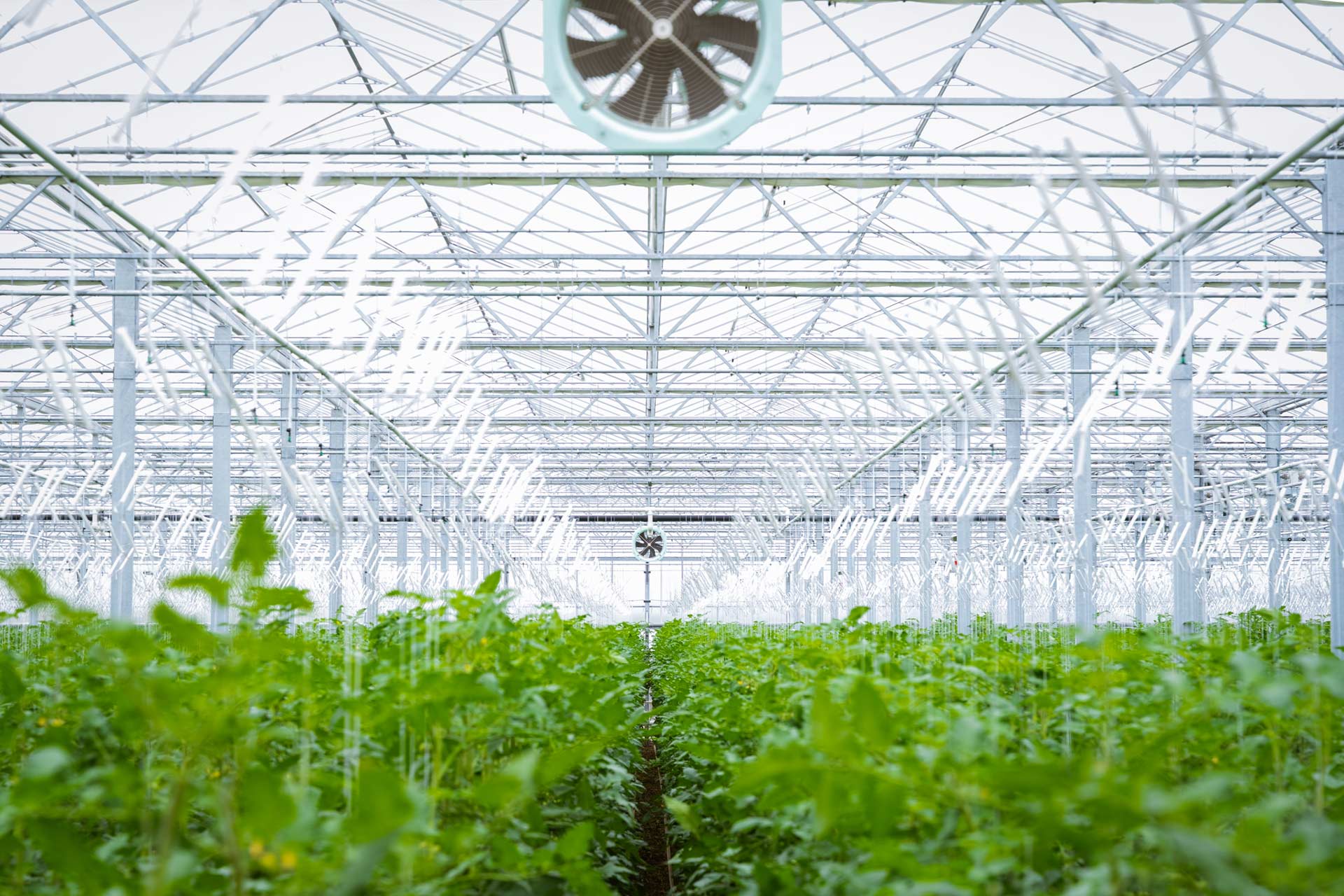
Dworschak & Sohn is a family-owned business that produces organic potted herbs, tomatoes, and cucumbers across 55,000 m² of greenhouse space. Rudolf Dworschak runs the company and is actively supported by his daughter Anna-Lena and son Johannes. During peak periods, up to 110 employees work at this traditional yet innovative business.
The most important points at a glance.
To us, our members are more than just numbers and facts.
In Kraftshof, in the heart of Nuremberg’s Knoblauchsland region, Rudolf Dworschak has been running the multi-certified organic business “Dworschak & Sohn” since 1996. High-quality potted herbs, tomatoes, and cucumbers are grown here under glass. The company is defined by the utmost care in crop cultivation, state-of-the-art production conditions, and a strong passion for regional organic production and the efficient use of resources.
You are currently viewing a placeholder content from YouTube. To access the actual content, click the button below. Please note that doing so will share data with third-party providers.
More InformationNürnberg
Deutschland
Questions for getting to know each other.
What matters to our members matters to us, too.
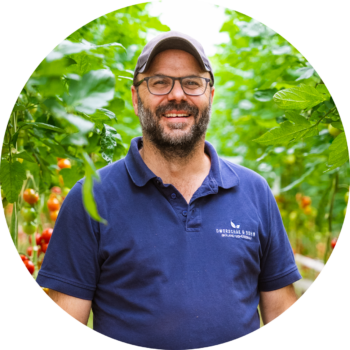
Rudolf Dworschak
Managing Director
1. How long have you been with the company, and what are your current roles and responsibilities?
In 1996, my father divided our family business—founded in 1928—between my sister and me. We work closely together but operate independently. She runs “KräuterGut,” while I manage “Dworschak & Sohn,” having since risen to the role of “jack-of-all-trades.” But in all seriousness: we actually have a very strong second tier of management, so I am essentially dispensable—except when a hitch arises. That’s when I need to step in. In that sense, I am involved in the entire operational workflow.
2. What do you particularly love about your job?
It doesn’t happen very often, but I’m really happy when I actually have time to tidy up. I also simply enjoy looking after my customers and being there for our employees whenever they have a problem. Seeing everyone satisfied makes me happy.
3. In your view, what makes your company special?
We are consciously an organic farm, so sustainability is very important to us. For me, that means making sure we use resources as effectively as possible. After all, there is no point in turning down the heating only to end up with a smaller harvest. But increasing the yield while using the same amount of energy—that is sustainable. We always do our absolute best to deliver a top-quality product.
We are also a family business, which shapes the atmosphere within the team. We get along really well, have fun at work, and all pull together. It’s a great feeling.
4. Who are your customers and where can your products be found?
We used to distribute exclusively through wholesalers. For several years now, we have been supplying only food retailers and discount chains directly. Organic herbs and vegetables are playing an increasingly important role there as well.
5. What challenges are you currently facing in your daily life?
High import pressure is one factor, among others. We see this particularly with organic potted herbs. Produce is imported from all over the world, especially during the winter. While consumers want regional products and organic quality, it is also understandable that they are price-conscious. We therefore need to ensure we remain competitive. This is an issue that affects the entire industry.
6. Which risks do you consider particularly critical for your business operations?
Many years ago, our family business suffered hail damage that left us with over a thousand broken panes of glass. When the field representative visited the site, he asked straight away: “How much money do you need?” That was very reassuring for my father—I remember it vividly. Hail—and the forces of nature in general—can cause serious damage to a horticultural business. But there are other risks, too. Unfortunately, I speak from experience here.
7. Has your company already experienced a loss event?
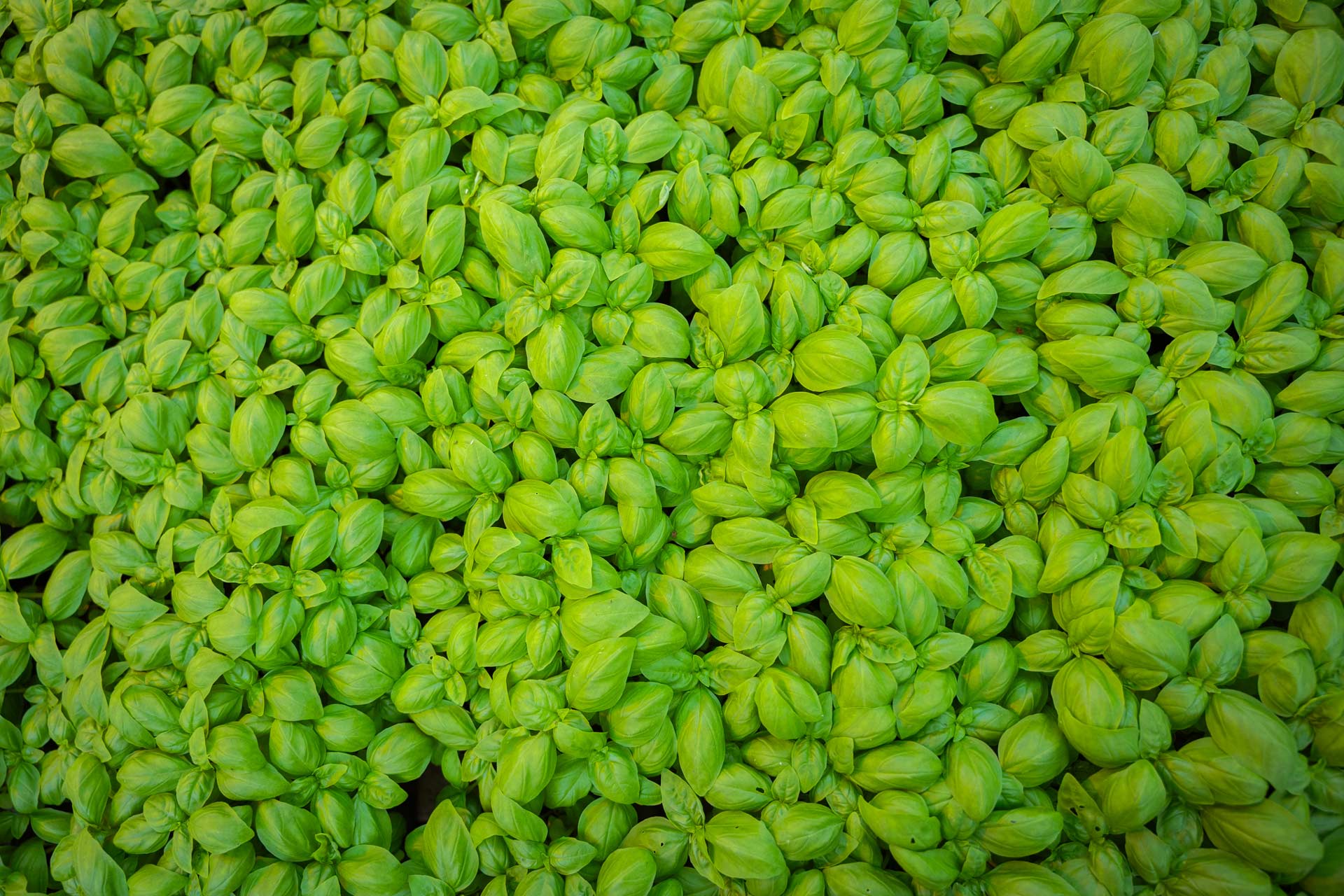
Yes, several times, in fact. There was a fire in 2024; just 100 grams of sulfur ignited, yet 90 percent of our basil crops were destroyed as a result. In previous years, we had already experienced major issues twice with shipments of defective young plants. The horticultural insurance provider stepped in to help quickly and without red tape in all three instances. We are very grateful for that.
8. How have you experienced the support provided by Gartenbau-Versicherung so far?
We communicate with each other on an equal footing and always receive highly competent advice. I don’t need insurance for five broken panes of glass. But if something is genuinely threatening to our existence or could ruin the entire season, then you need to be insured. And with Gartenbau-Versicherung, we have had nothing but positive experiences.
9. What request do you have for the horticultural insurance company?
Gartenbau-Versicherung is a mutual insurance association—independent and autonomous—and that is how it is to remain.